


Heavy rains coming in back-to-back storms, sometimes when the ground was frozen, contributed to high levels of untreated storm and sewer water being washed in Maine’s rivers and bays last year, resulting in shellfish bed and beach closures.
water pollution
Posted inLewiston-Auburn, News
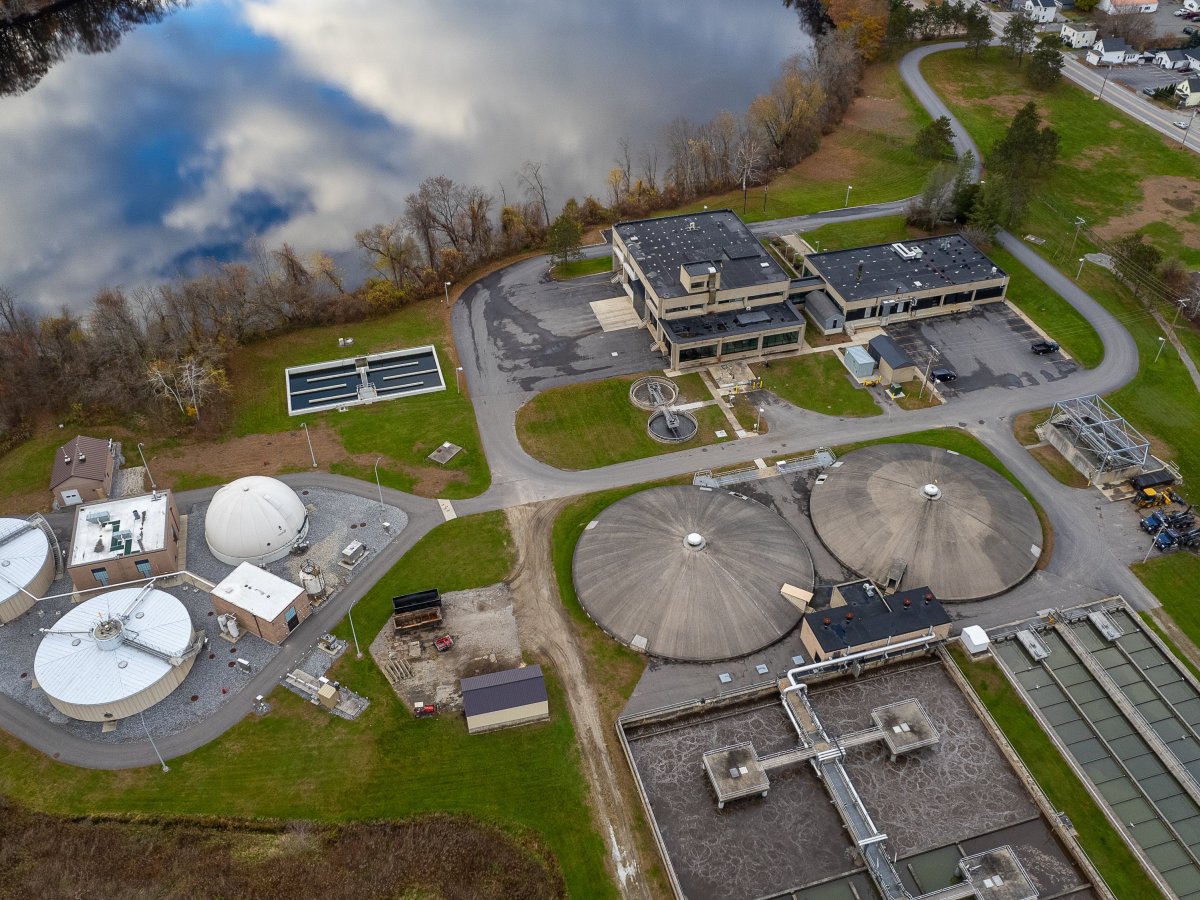
New wastewater plan makes a splash in Lewiston and Auburn
The Lewiston-Auburn Water Pollution Control Authority has determined the site of a large holding tank that will collect sewage and stormwater overflow during heavy rainfall to help prevent it from going into the Androscoggin River.
advertisement
Posted inNews, Oxford Hills
Norway releases preliminary report on Hobbs Pond pollution

Testing showed water was contaminated with cow DNA and E. coli at one of the testing sites.

Posted inLewiston-Auburn, Maine, News
Vast majority of PFAS tests at Lewiston, Auburn sites show water is safe

State testing for PFAS chemicals so far in Lewiston and Auburn has shown all but one site below the standard that would require remediation.
Posted inNation / World, News
EPA finalizes water rule that repeals Trump-era changes
The regulations protect hundreds of thousands of small streams, wetlands and other waterways, repealing a Trump-era rule that federal courts had thrown out and that environmentalists said left waterways vulnerable to pollution.
Posted in175th anniversary, Androscoggin County, Lewiston-Auburn, Maine, News
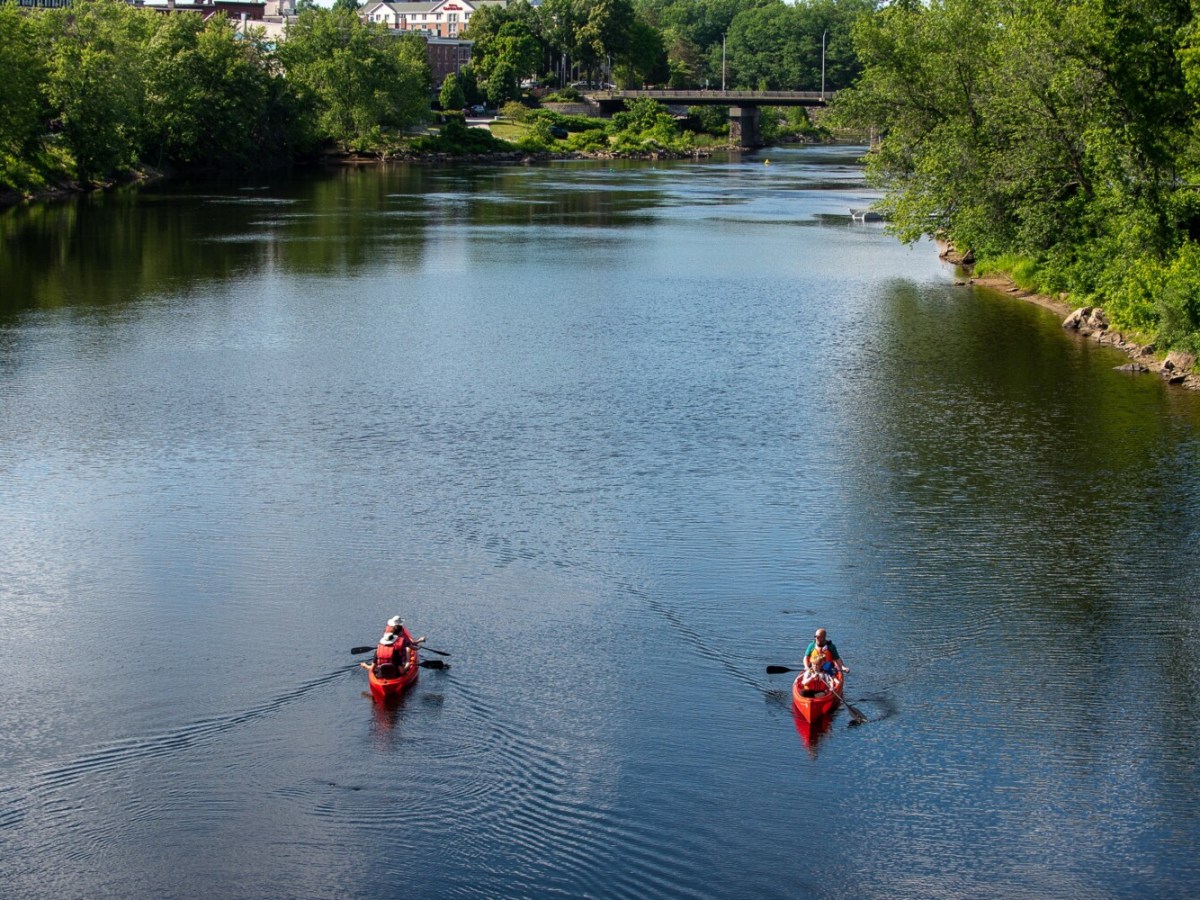
50 years after the Clean Water Act, the Androscoggin River has changed dramatically

The river is the cleanest it’s been in more than a century.
Posted inMaine
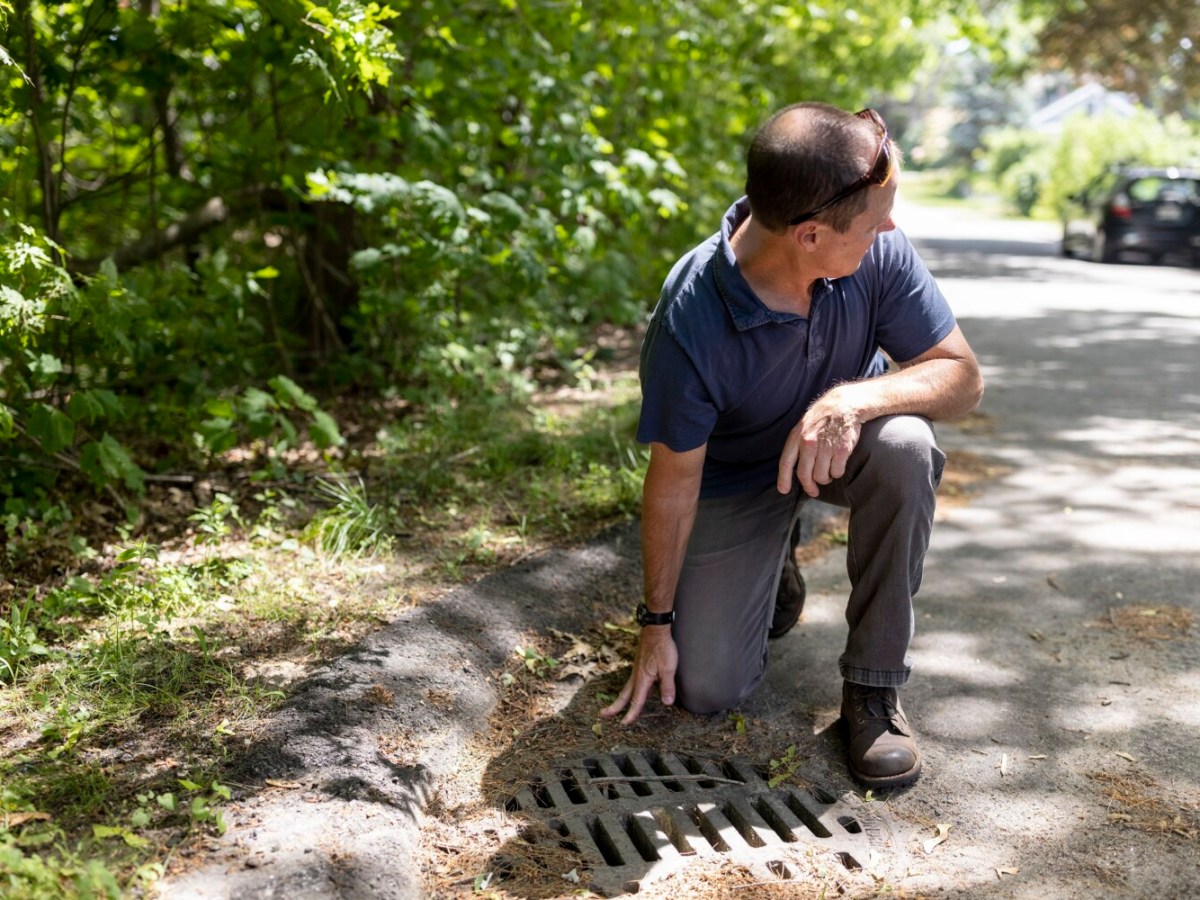
Maine requires larger communities to step up fight against stormwater pollution

Thirty Maine communities have to meet new stormwater permit requirements that include testing and tighter development rules.
Posted inMaine
Communities across Maine secure $24.2 million to address contaminated sites

The funding is part of the $1.5 trillion Bipartisan Infrastructure Law passed in November 2021 that identifies money to address infrastructure needs across the United States.
Posted inOpinion, Perspective
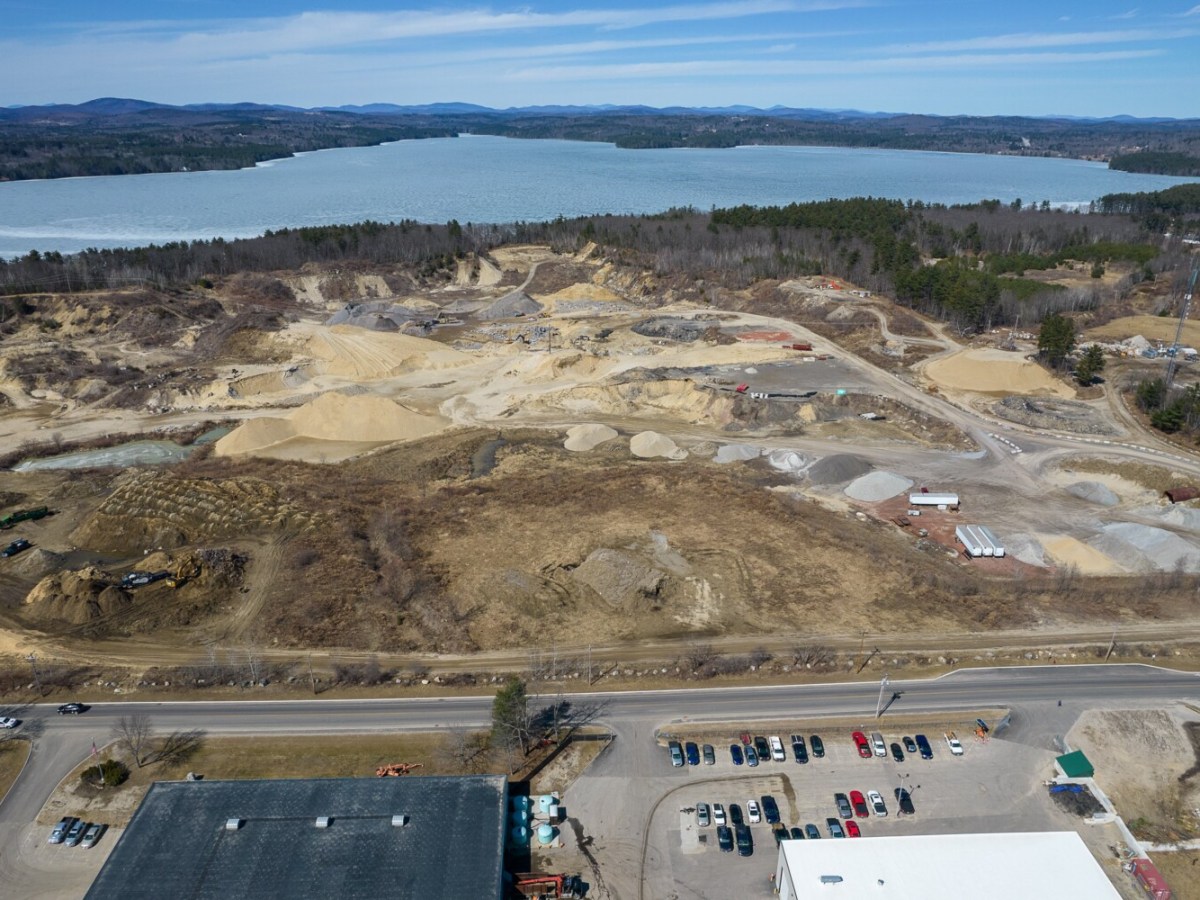
Lake Auburn’s future needs to be clearer, not green
In its current clearwater state, we are preserving our water quality and money. Greenwater means more toxins and money needed for filtration.
Posted inOpinion, Perspective
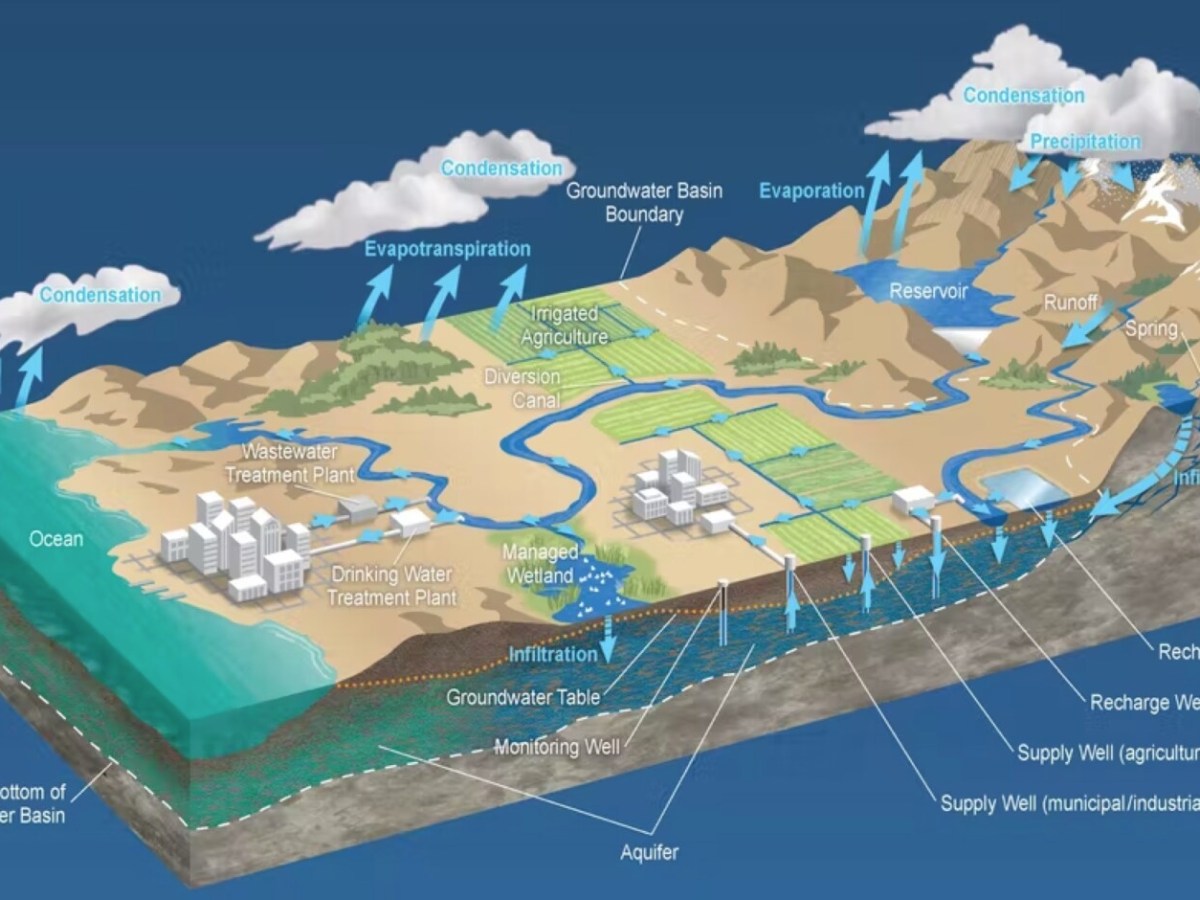
Why the water you’re drinking may be thousands of years old
As surface water diminishes in the Western US, people are drilling deeper wells – and tapping into older groundwater that can take thousands of years to replenish naturally.