
In flowering plants, pollen grains are transferred from the male part of the plant called the anther, to the female part called a stigma to produce seeds. This process of pollination has evolved over millions of years and is done by wind, insects and other species.
Though honey bees are most commonly thought of as the major pollinators, there are thousands of species of insects that perform this vital function. Native solitary bees such as mason bees, miner bees, leafcutter bees, bumblebees and others have co-evolved with flowering plants to perfectly perform the task of getting plants to develop seeds.
Flies are the second most important pollinators and come in an amazing variety of sizes and colors, some which have evolved to mimic bees and wasps.
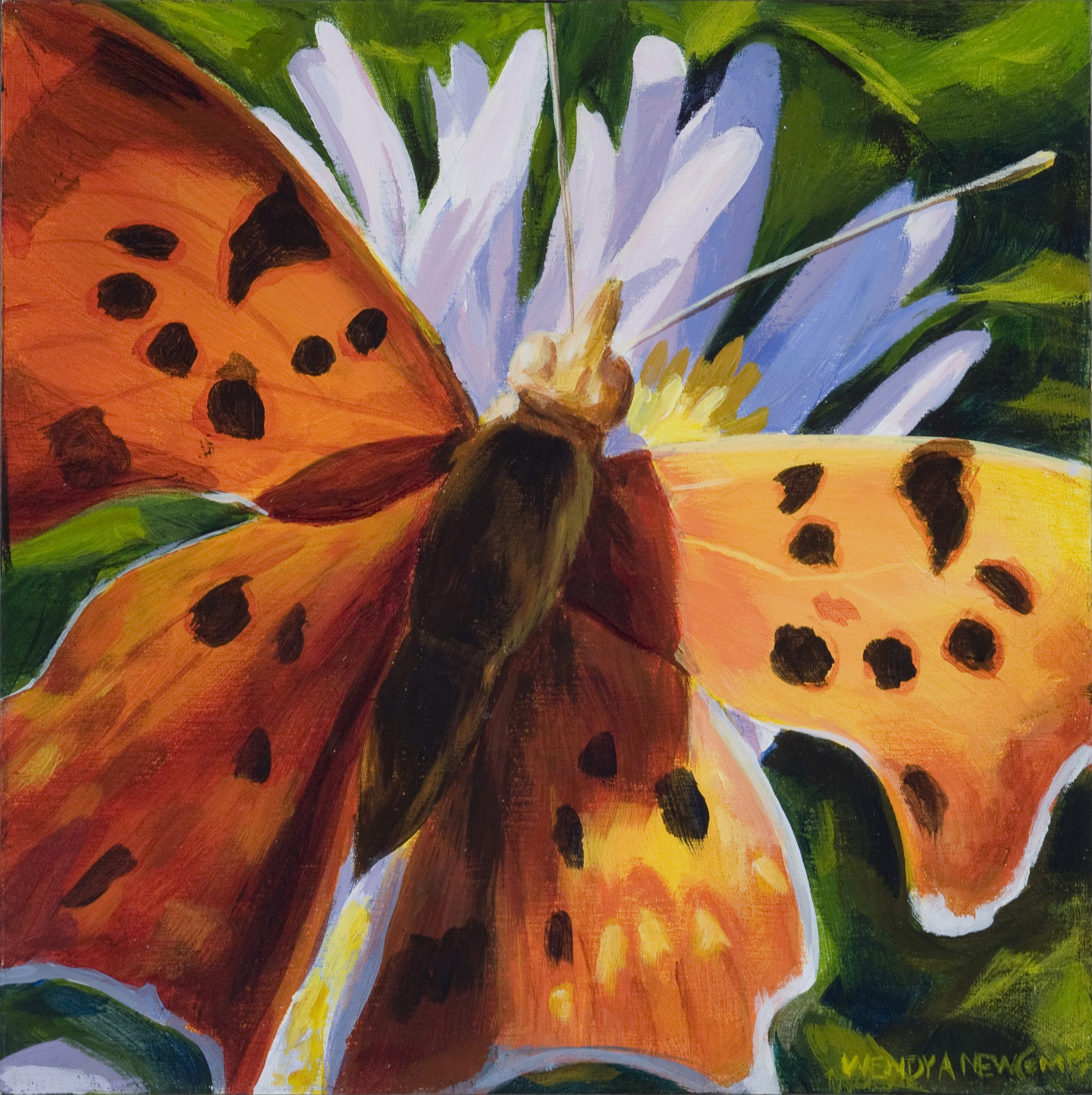
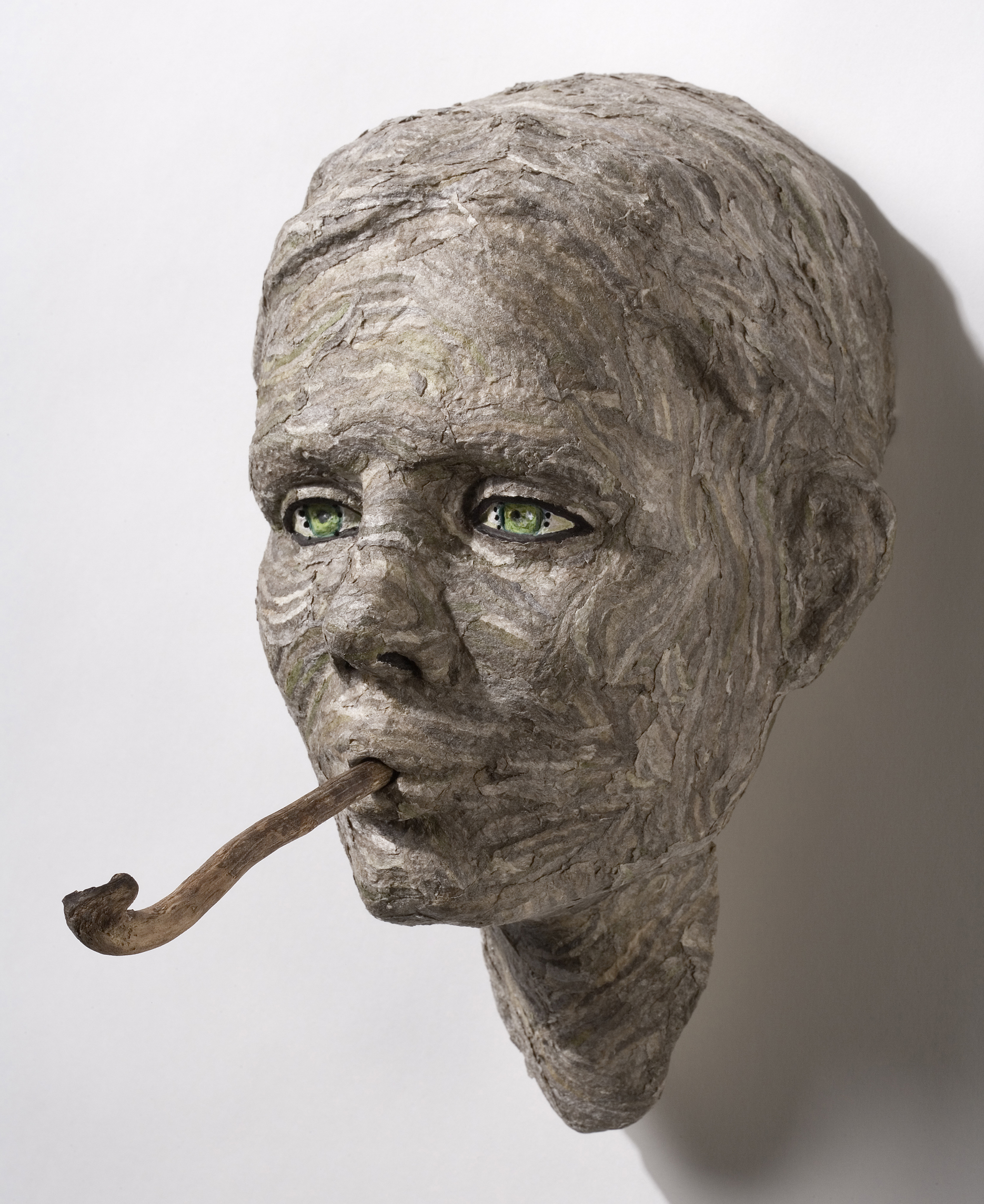
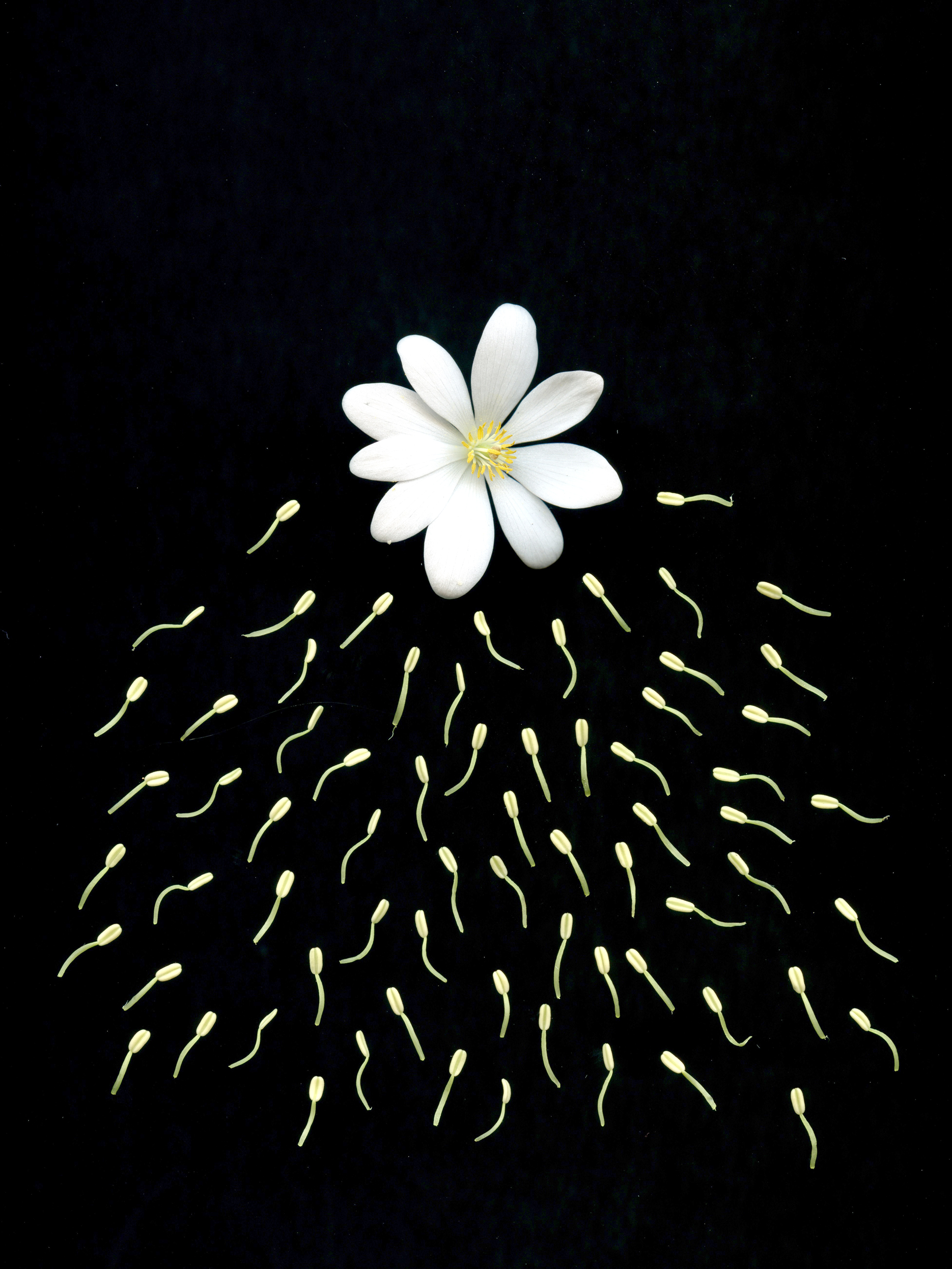
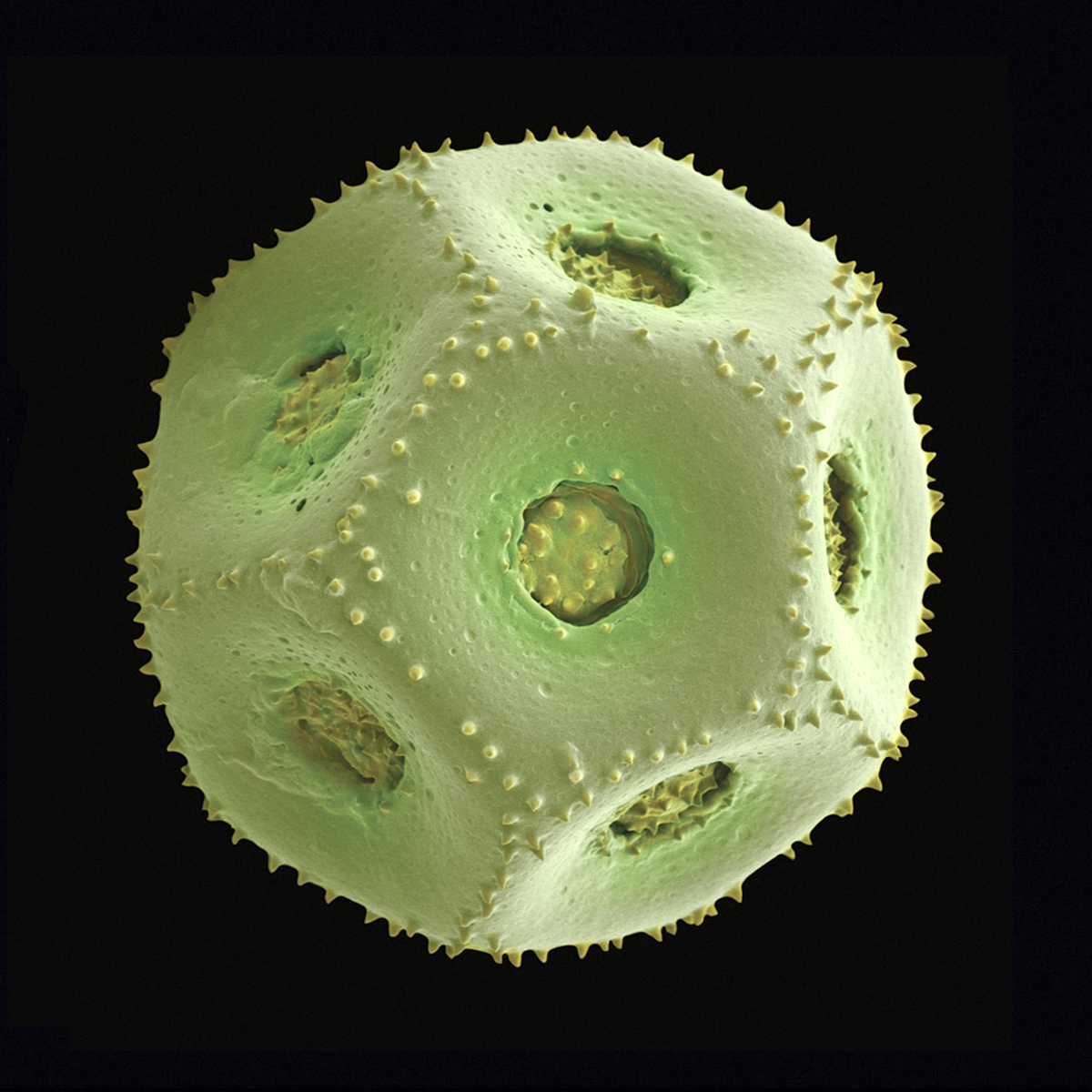
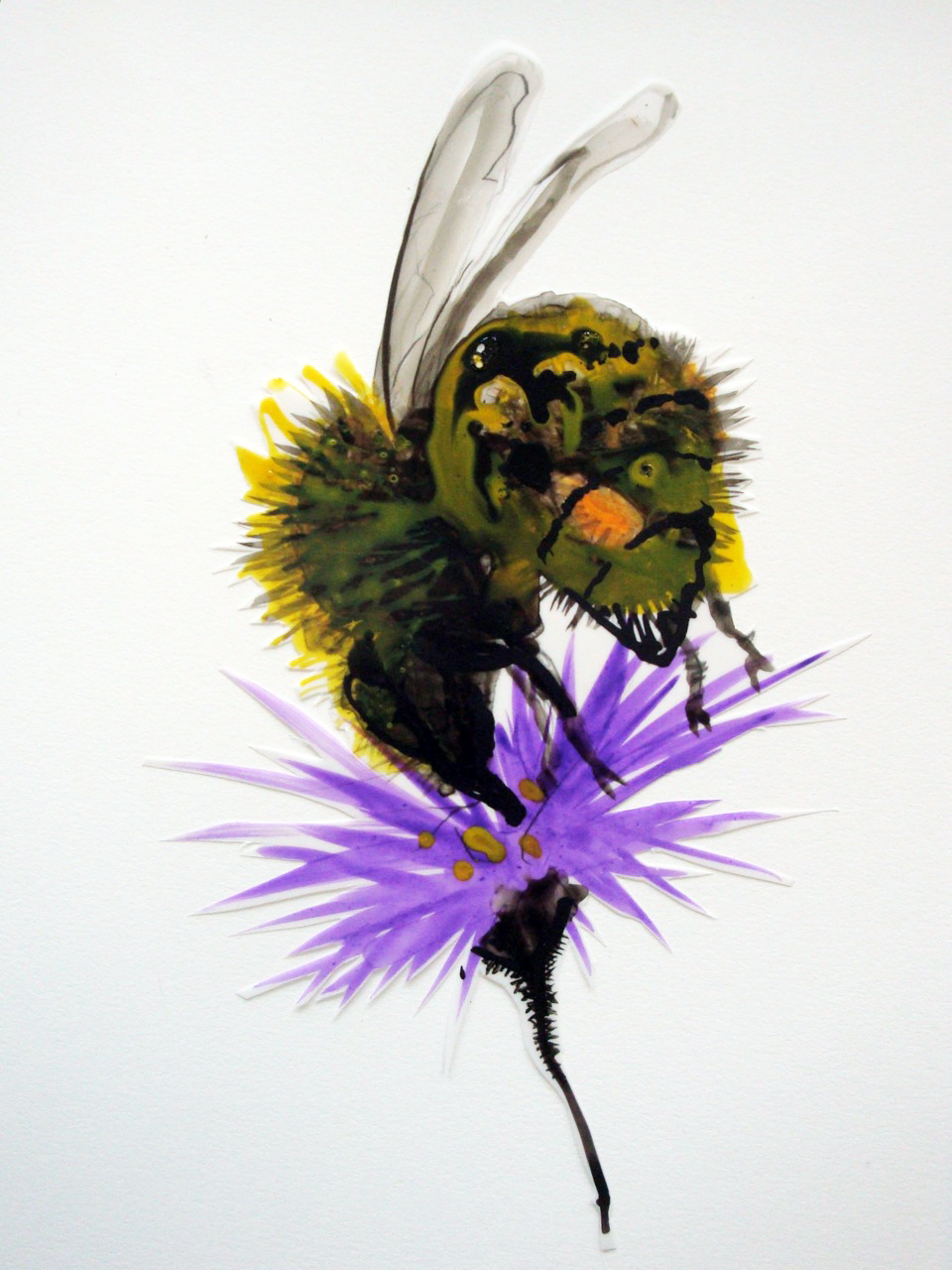
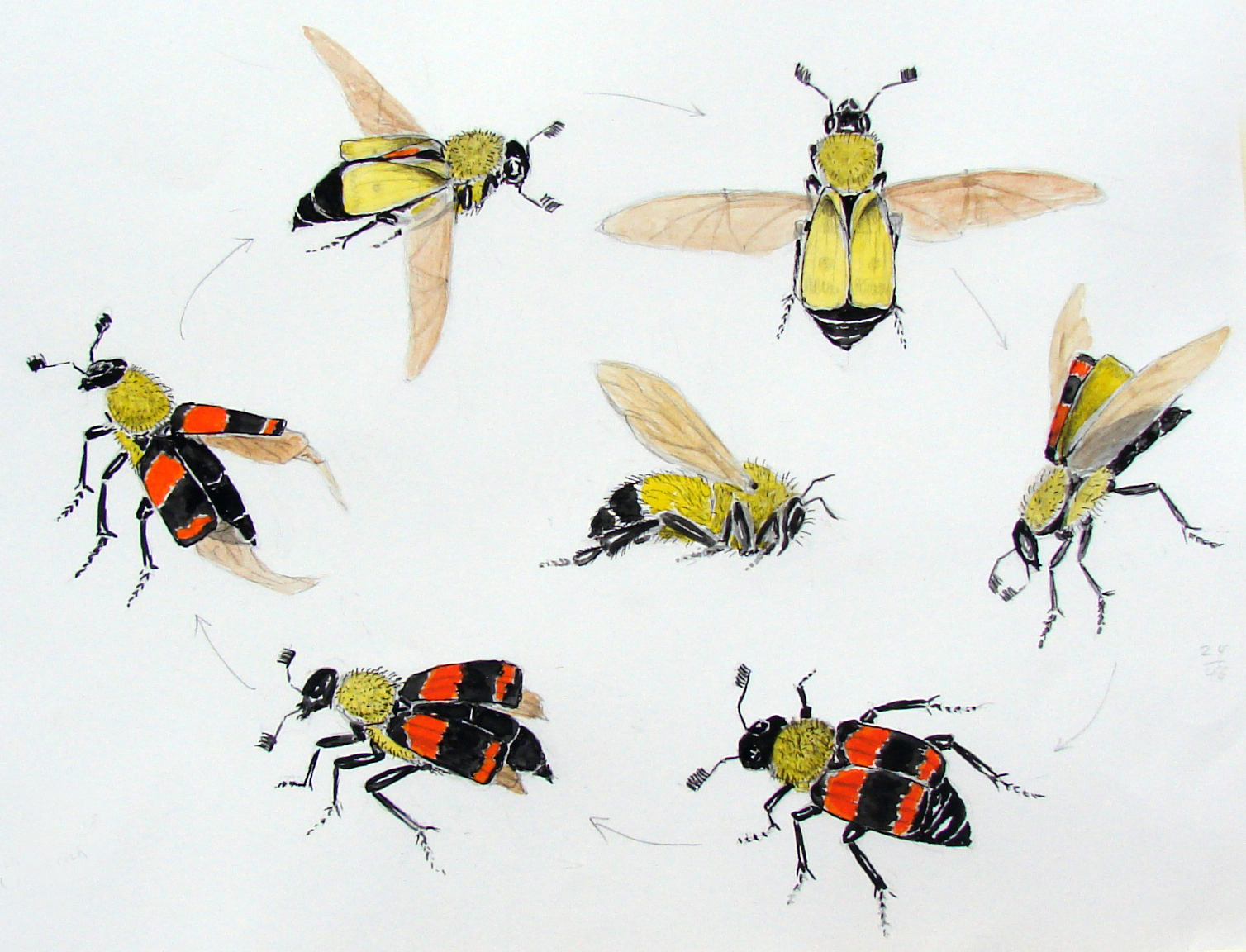
Works in the exhibit include detailed scientific illustrations, imaginative sculptures, book arts, works made with beeswax and pollen, and more abstract pieces. A video by London artist Rob Kesseler shows his remarkable photo-micrographs of pollen grains.
The Atrium Art Gallery is at 51 Westminster Street. Gallery hours are 8 a.m.- 8 p.m., Monday-Thursday; 8 a.m.-4:30 p.m., Friday; 9 a.m.-3 p.m. Saturdays, April 20, 27, and May 4; closed holidays. For more information, call 207-753-6500 or visit www.usm.maine.edu/atriumgallery/. The exhibition continues through June 7.
Comments are no longer available on this story